
We implement sustainability
economically
in mid-sized companies.
We implement sustainability
economically
in mid-sized companies.
We implement
sustainability
economically
in mid-sized
companies.

As part of the so-called “Green Deal,” the EU has embarked on an ambitious path toward a sustainable economy. This legal framework affects mid-sized companies either directly or indirectly. Furthermore, customer demand behavior is changing in both the B2B and B2C sectors. Mid-sized companies are therefore increasingly realizing that a sustainability transformation is already necessary or will be very soon.
In this transformation process, we are happy to take responsibility for implementation and adapt to the needs of the mid-sized business sector. We pursue three goals for our clients: 1. becoming more profitable, 2. acting more successfully in the market, and 3. managing regulatory requirements pragmatically.
The implementation of sustainability is necessary for:
Our approach
We understand that the starting point for every mid-sized company is highly individual and depends on many factors such as size, complexity, industry, and specific business model characteristics. Furthermore, the levels of ambition and problem areas vary significantly. We therefore adapt to our client’s individual situation and develop a tailored approach. Depending on the client’s needs, this approach may include the following points:
Our core areas
We have defined four core areas as our fields of activity, which we believe are closely interlinked. The Sustainability Management area addresses our main topic. It covers sustainability within the company holistically from a management and transformation perspective. ESG Reporting is the linchpin for providing quantitative and qualitative ESG data for internal management and external communication with the market. The Energy Management area has a strong impact on sustainability, as it offers significant leverage in terms of both profitability and carbon footprint. In the Sustainable Value Chain area, we address the orientation toward future-proof business practices from a customer and supplier perspective, as companies usually take on both roles.
Each of the core areas is interlinked with the others but has its own specialization, methodology, corresponding tools, and formats.



Meet our team of experts

Prof. Dr. Dr. h.c. Jörg Baetge
Business Economist
Expert in Accounting and
Reporting
Business Economist
Expert in Accounting and
Reporting
Prof. Dr. Dr. h.c. Jörg Baetge
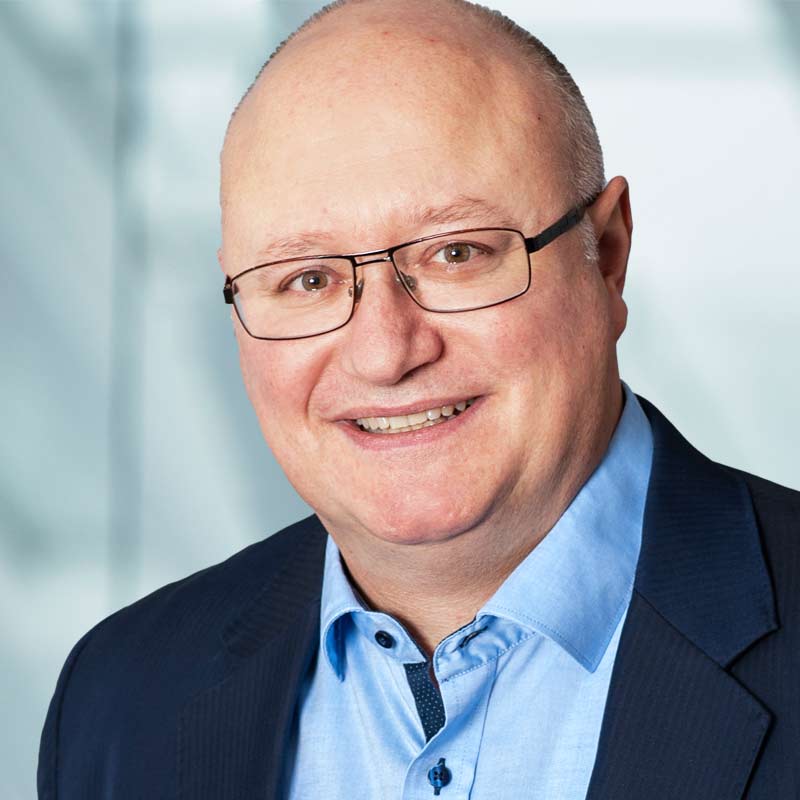
Kai Baetge
Business Economist
Head of Core Area
Sustainability Management
Kai Baetge
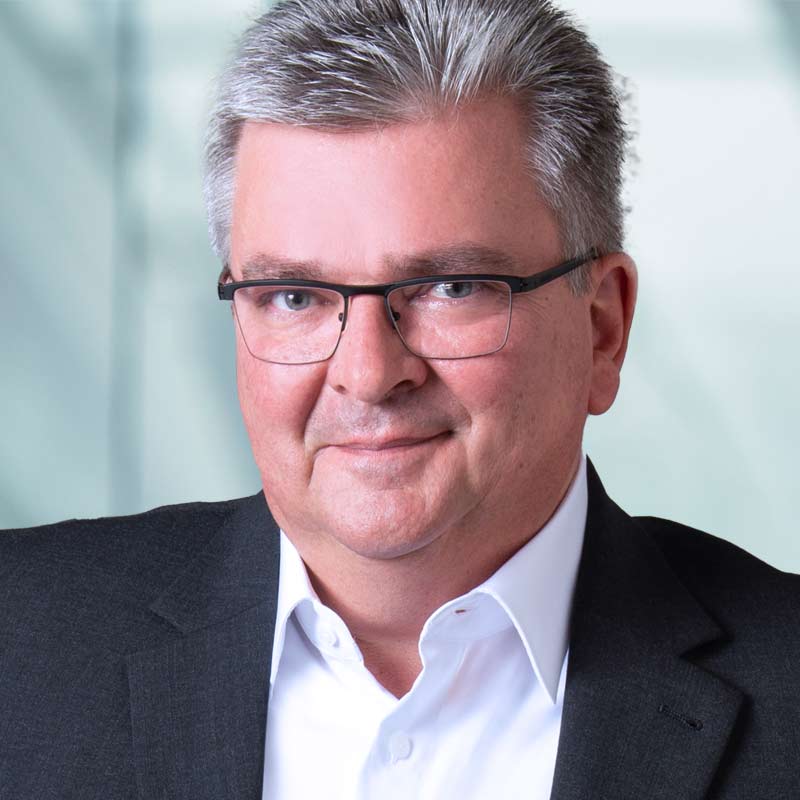
Dr. Tobias Zobel
Physicist
Head of Core Area
Sustainable Value Chain