
We implement sustainability
economically
in mid-sized companies.

We implement sustainability
economically
in mid-sized companies.

We implement
sustainability
economically
in mid-sized
companies.

Baetge & Partner
Baetge & Partner
Baetge & Partner

As part of the so-called “Green Deal,” the EU has embarked on an ambitious path toward a sustainable economy. This legal framework affects mid-sized companies either directly or indirectly. Furthermore, customer demand behavior is changing in both the B2B and B2C sectors. Mid-sized companies are therefore increasingly realizing that a sustainability transformation is already necessary or will be very soon.

In this transformation process, we are happy to take responsibility for implementation and adapt to the needs of the mid-sized business sector. We pursue three goals for our clients: 1. becoming more profitable, 2. acting more successfully in the market, and 3. managing regulatory requirements pragmatically.

The implementation of sustainability is necessary for:

Companies (regardless of capital market orientation) are required to report under the CSRD if they have more than 1,000 employees and a net turnover of more than EUR 450 million. In Germany, approximately 3,000 companies are affected by this scope. Meeting CSRD requirements usually requires an extensive implementation project and a consistent focus on sustainability, which is then reported on in the CSRD report.
Many large companies have set ambitious decarbonization targets as part of their sustainability strategy. The basis for managing CO2 reduction is the company’s respective Corporate Carbon Footprint (CCF). This CCF must also be determined in what is known as Scope 3 for upstream supply chains. This circumstance forces many companies to demand corresponding information from their suppliers (e.g., regarding the carbon footprint of their products), even though these suppliers are not yet legally required to provide it and are therefore largely unprepared.

Banks have ambitious sustainability targets. They are required to measure the sustainability performance of their clients across the “Environmental, Social, and Governance” (ESG) dimensions. Some banks have already developed ESG ratings for this purpose. In the future, they will manage lending and interest rates based on these criteria.

Through our work for asset managers, we have insight into the private equity situation. Many family offices make their equity investments dependent on an assessment of the sustainability transformation status.

.

The shortage of skilled labor is hitting mid-sized companies with full force. Many young people from Generation Z have higher expectations of their employers than just good working conditions. A company’s sustainability goals are of particular interest to them.

The public sector now heavily bases its selection on sustainability criteria in tendering procedures and contract awards.

An increasing number of funding guidelines require the recipient to demonstrate sustainable practices.

Our approach

We understand that the starting point for every mid-sized company is highly individual and depends on many factors such as size, complexity, industry, and specific business model characteristics. Furthermore, the levels of ambition and problem areas vary significantly. We therefore adapt to our client’s individual situation and develop a tailored approach. Depending on the client’s needs, this approach may include the following points:

  • Determining where you stand and where you want or need to go
  • Setting ambitious but achievable goals and anchoring them in the strategy
  • Creating a clear implementation roadmap
  • Designing effective communication with the market
  • Making organizational changes where necessary
  • Keeping an eye on economic impacts
  • Aligning the product portfolio with changing customer requirements if necessary
  • Managing supply chains from a sustainability perspective
  • Managing regulatory requirements pragmatically

Our core areas

We have defined four core areas as our fields of activity, which we believe are closely interlinked. The Sustainability Management area addresses our main topic. It covers sustainability within the company holistically from a management and transformation perspective. ESG Reporting is the linchpin for providing quantitative and qualitative ESG data for internal management and external communication with the market. The Energy Management area has a strong impact on sustainability, as it offers significant leverage in terms of both profitability and carbon footprint. In the Sustainable Value Chain area, we address the orientation toward future-proof business practices from a customer and supplier perspective, as companies usually take on both roles.

Each of the core areas is interlinked with the others but has its own specialization, methodology, corresponding tools, and formats.


Meet our team of experts

Prof. Dr. Dr. h.c. Jörg Baetge

Business Economist
Expert in Accounting and
Reporting

Business Economist
Expert in Accounting and
Reporting

Prof. Dr. Dr. h.c. Jörg Baetge

Kai Baetge
Kai Baetge

Business Economist
Head of Core Area
Sustainability Management

Kai Baetge
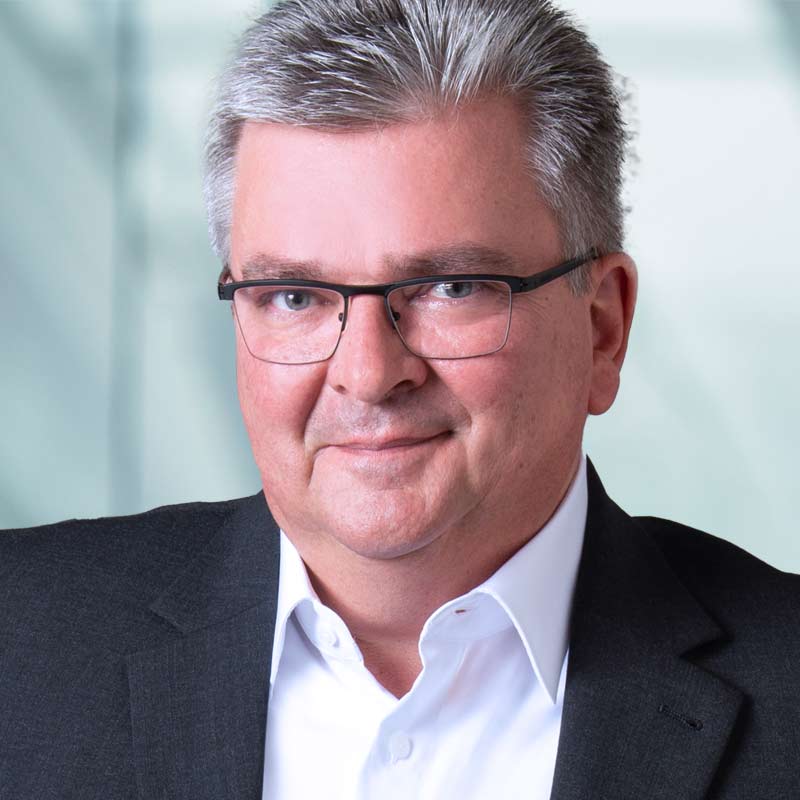
Kai Baetge
Rolf Füßmann
Rolf Füßmann

Engineer
Head of Core Area
Energy Management

Rolf Füßmann
Rolf Füßmann
Ralf Kuehnle
Ralf Kuehnle

Engineer
Head of Core Area
ESG Reporting

../team/#rkuehnle
Ralf Kuehnle
Dr. Tobias Zobel
Dr. Tobias Zobel

Physicist
Head of Core Area
Sustainable Value Chain

Dr. Tobias Zobel
Dr. Tobias Zobel

Contact your personal representative.

Let us discuss your project without obligation today!

Do you have questions about our services or would you like a non-binding consultation?
We look forward to hearing from you!

Phone